

led vanity mirror bathroom
The Importance and Applications of Small Ground Anchors In the field of civil engineering and construction, ground anchors play a pivotal role in ensuring the stability and integrity of structures. Among the various types of anchors, small ground anchors are particularly noteworthy due to their versatility and effectiveness in various applications, ranging from retaining walls to temporary structures. This article explores the significance of small ground anchors, their applications, installation methods, and advantages. What are Small Ground Anchors? Small ground anchors, also known as soil anchors or tieback anchors, are systems used to provide additional stability to structures by anchoring them into the ground. These anchors can be made from various materials, including steel or concrete, and typically consist of two main components the anchor body itself and a corresponding tensioned component, such as a cable or rod. They work by transferring loads from a structure to the surrounding soil, effectively counteracting lateral forces and enhancing overall structural support. Applications of Small Ground Anchors One of the most common applications for small ground anchors is in the stabilization of retaining walls. Retaining walls are structures designed to hold back soil and prevent erosion, and small anchors can be used to provide additional support, particularly in cases where the wall is subjected to significant lateral pressure. By anchoring the wall to the stable ground further back, the risk of wall failure can be substantially reduced. Another application of small ground anchors is in temporary structures, such as during construction or excavation projects. During these operations, various structures may need to be stabilized against gravitational and lateral forces. Temporary anchors can be quickly installed and removed, providing a cost-effective solution for maintaining safety during construction activities. Small ground anchors are also used in various recreational projects, such as securing tents or canopies in outdoor events. Their lightweight design and ease of installation make them ideal for applications requiring portability and quick deployment. Installation Methods small ground anchors The installation of small ground anchors typically involves four main steps site assessment, drilling, placing the anchor, and tensioning. 1. Site Assessment Before installation begins, a thorough site assessment is conducted to analyze soil conditions. Understanding the soil type, density, and moisture content is crucial for determining the appropriate anchor size and type. 2. Drilling Once the assessment is complete, a hole is drilled into the ground to accommodate the anchor. The depth and diameter of the hole will vary based on anchor specifications and soil conditions. 3. Placing the Anchor The anchor is placed in the drilled hole. Depending on the design, it may be connected to a tensioning device or left in place to establish load-bearing capacity. 4. Tensioning After the anchor is installed, it is tensioned to ensure optimal load transfer. This step may involve the use of hydraulic equipment to achieve the required tension levels. Advantages of Small Ground Anchors The use of small ground anchors comes with numerous advantages. Firstly, they require minimal site disruption compared to traditional foundations, making them an ideal choice for urban or sensitive environments. Additionally, their compact size allows for flexible applications in tight spaces where larger anchors would be impractical. Moreover, small ground anchors are cost-effective solutions for stabilizing structures. They can often be installed relatively quickly, reducing labor costs and downtime on projects. Their modular design means that they can be adapted to a variety of situations without needing extensive modifications. In conclusion, small ground anchors are essential components in modern construction and civil engineering. Their versatility, ease of use, and effectiveness in enhancing structural stability make them a preferred choice in a wide range of applications. Whether stabilizing retaining walls, supporting temporary structures, or securing outdoor installations, small ground anchors provide reliable and efficient solutions for ensuring safety and stability in an ever-evolving construction landscape.
about
led vanity mirror bathroom
Understanding the Go/No-Go Gauge An Essential Tool in Quality Control In manufacturing and engineering, precision is paramount. One of the critical tools used to ensure that parts and components meet specified dimensions and tolerances is the Go/No-Go gauge. This simple yet effective tool plays a significant role in quality control, helping to prevent defective products from reaching the market. In this article, we will delve into the concept, applications, and advantages of Go/No-Go gauges in various industries. What is a Go/No-Go Gauge? A Go/No-Go gauge is a type of measuring tool used to determine whether a workpiece is within specified limits. It typically consists of two components the Go side, which checks whether a part is acceptable, and the No-Go side, which verifies that the part does not exceed a defined limit. If a part passes the Go gauge, it is considered acceptable; if it fails the No-Go gauge, it is deemed unacceptable. This binary system simplifies the inspection process, allowing operators to make quick decisions about production quality. Types of Go/No-Go Gauges Go/No-Go gauges can be categorized into various types based on their design and application 1. Plug Gauges These gauges are cylindrical and are used mainly for measuring the diameter of holes and shafts. A plug gauge has a Go end that should fit into the hole and a No-Go end that should not. 2. Ring Gauges These are used to measure the external diameter of cylindrical parts. Similar to plug gauges, they consist of a Go end that fits over the part and a No-Go end that does not . 3. Snap Gauges This type of gauge uses a spring mechanism to check external dimensions, such as the width of a part. It is efficient for high-volume inspections. 4. Feeler Gauges While not exclusive to the Go/No-Go application, feeler gauges can be configured to gauge gaps and clearances in various assemblies. Applications Across Industries pin go no go gauge Go/No-Go gauges are employed across various sectors, including automotive, aerospace, and manufacturing. In the automotive industry, they are used for inspecting critical components such as engine parts and chassis fittings. In aerospace, these gauges ensure that all parts meet strict safety and performance standards, critical for the integrity of flight operations. Additionally, they are widely used in the electronics industry, where precise assembly of components is necessary to ensure functionality. By using Go/No-Go gauges, manufacturers can quickly identify parts that are out of specification, reducing the likelihood of failures and enhancing product reliability. Advantages of Go/No-Go Gauges 1. Simplicity and Speed The primary advantage of Go/No-Go gauges is their simplicity. Operators can quickly assess whether a part meets specifications without needing complex measurement devices or extensive training. 2. Cost-Effectiveness These gauges are often less expensive than other precision measuring tools. Their durability and reliability add to their cost-effectiveness over time. 3. Immediate Feedback Go/No-Go gauges provide immediate feedback during the manufacturing process. This timely inspection helps in early detection of issues, allowing for quick rectification and minimizing waste. 4. Improved Consistency Using standardized Go/No-Go gauges ensures that all measurements are consistent across different operators and shifts, improving overall quality assurance. 5. Reduction of Variability By establishing fixed criteria for acceptance and rejection, these gauges help to minimize variability in production, leading to higher quality and fewer defects. Conclusion In conclusion, Go/No-Go gauges are an indispensable tool in the realm of quality control. Their simple design, ease of use, and cost-effectiveness make them a preferred choice in various industries where precision is crucial. By employing these gauges, manufacturers can enhance their production processes, ensuring high-quality products and ultimately improving customer satisfaction. As industries continue to evolve, the role of Go/No-Go gauges is expected to remain vital in maintaining and improving product quality standards.
-

High quality industrial productsagement

High quality industrial products
View Details -

Meet the diverse needs of customers

Meet the diverse needs of customers
View Details -

Strict quality control

Strict quality control
View Details -

Top raw materials

Top raw materials
View Details -

Trusted supplier

Trusted supplier
View Details
Our application

news and information

verschillende soorten regelkleppen en hun toepassingen
Verschillende Soorten Controlekranen en Hun Toepassingen Controlekranen zijn essentiële componenten
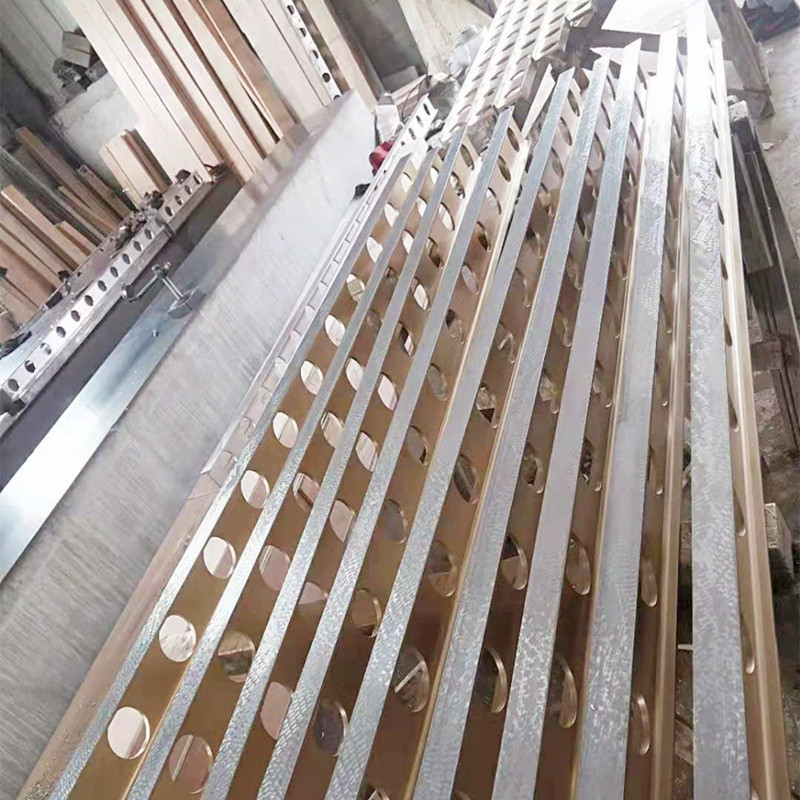
Versatile Clamping Solutions for Welding Tables and Projects
The Importance of Welding Table Clamps in Metal Fabrication Welding is an essential process in metal
Välineet tarkkuusmittaamiseen syvyysmittari 18-35 mm halkaisijalle
Dial bore gauge on yksi tärkeimmistä työkaluista tarkkuusmittauksessa teollisuudessa, erityisesti ku
 English